THE JEM PROJECT
What is this?
What is the JEM project?
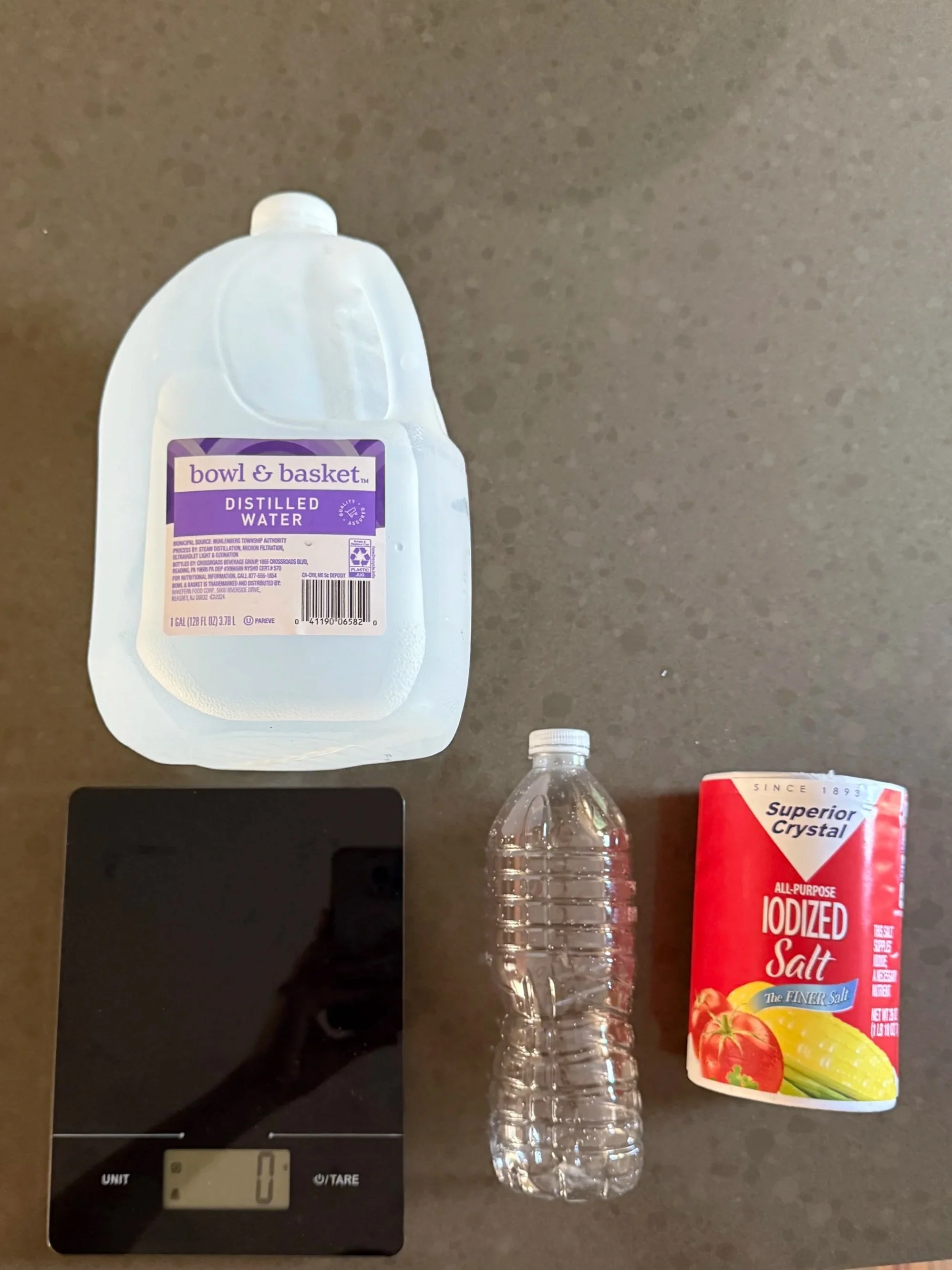
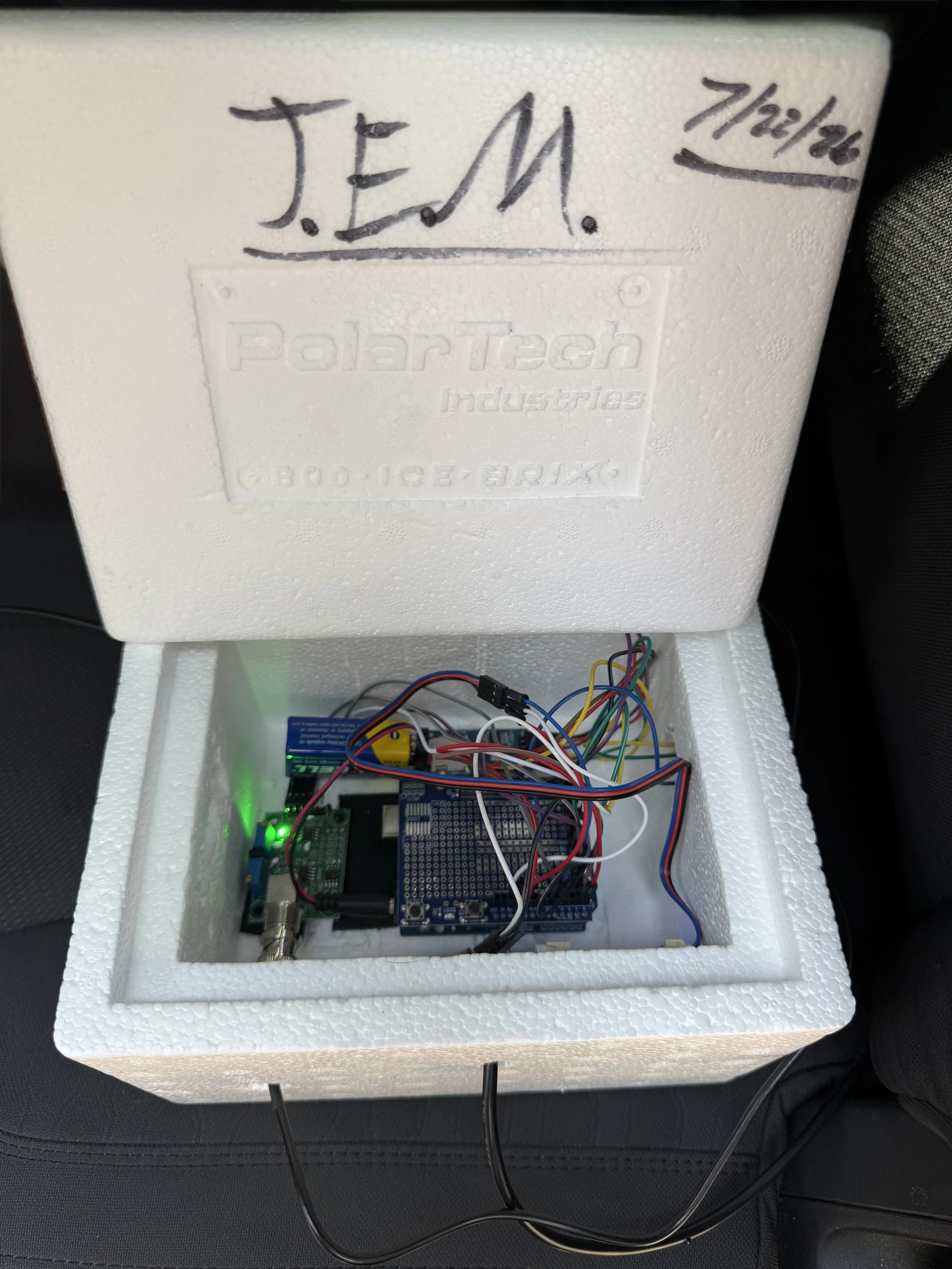
This website is an online means to document and highlight the entirety of my journey to creating an Arduino-based apparatus (one in which is comprised of multiple water sensors) designed to gauge certain water-quality measurements (pH, TDS, and water temperature) of local bodies of water and to ultimately make sure that they are within “safe” ranges (as later denoted and defined according to the U.S. EPA).
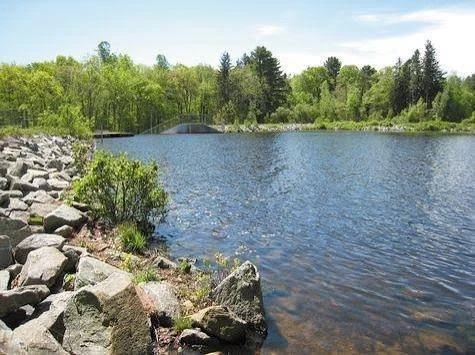
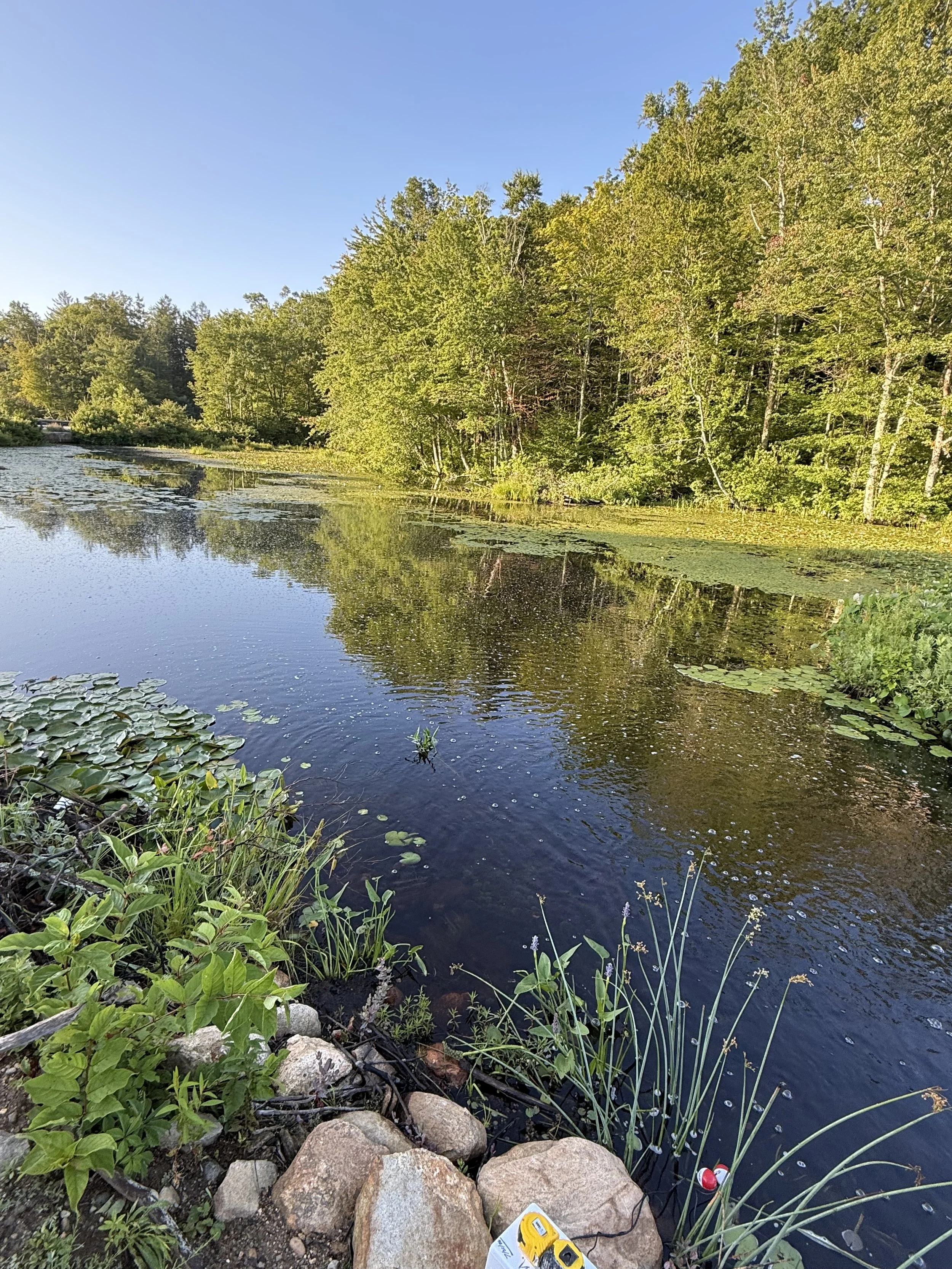
Additionally, the JEM project is, while using the same apparatus and process described above, an evaluation of the water quality of an organic body of water within my small town: Messerschmidt Pond, Deep River, Connecticut. Additionally, this project was also aimed at answering the question of whether or not Messerschmidt Pond was being affected by runoff pollution.
About Me
My name is Julian E. Mardjekaj (J.E.M.), I am 17 years old, and I am currently a high school senior in Connecticut.
My passions:
I would describe myself as a very hands-on person. Growing up being a first-generation American, I have been surrounded by nothing but determined, hard workers my whole life. My love for improving inefficiencies, and devising solutions to burdensome issues stems from my parents’ long history of renovating and “flipping” houses for a living. While I do have a strong passion for both math (Calculus) and science (Physics), I particularly love being able use my hands-on personality along with my skills in the science field, and my coding abilities, to create devices that have real-world applicability and impact. Most importantly, devices that answer pressing questions or perform vital jobs.
Why Create a Water Sensor:
Growing up on the CT Shoreline, and around the mouth of the Connecticut River, aquatic recreation has always taken up a large part of my free time. Whether it is padelboarding on local lakes, or boating on the CT river or the Long Island Sound, water is constantly in my world.
Naturally, over the years, I have become particularly interested in the safety and the quality of the water in which I have spent so much of my time; though, my interest in water quality was not solely for the public who periodically use the water, but mainly for the organic ecosystems that live in these respective bodies of water.
And so, the creation of a device—spanning from all of the necessary coding (in C++) to the soldering and fabricating of the main apparatus— that could semi-autonomously monitor the water quality of local bodies of water over prolonged periods of time became my main focus. With it, the idea for an Arduino-based water sensor arose.
What is the apparatus actually measuring & what are these things indicative of?
The apparatus is measuring a few things: pH levels, Total Dissolved Solids (TDS) levels, water temperature, air temperature, and humidity.
What is TDS:
TDS is measurement of the is a measure of the combined total of organic and inorganic substances dissolved in water. It counts all minerals, salts, and metals dissolved within a given sample of water. The measuremnt of theTDS levels of a body of water, escpecially one that is located extremely close to busy roadways and/or railways, can be key in indicating if an organic body of water is being polluted with excessive runoff. For the JEM project, all measurements were taken within a 30 foot radius of a rather busy roadway (route 145 in Deep River, Connecticut) in order to find out if the lake was being burdened with runoff pollution. Fittingly, low and rather stable TDS values (in parts per million) indicate that there aren't many/any pollutants in the water. High and rather unstable TDS values indicate that there are pollutants affecting the body of water.
What is pH:
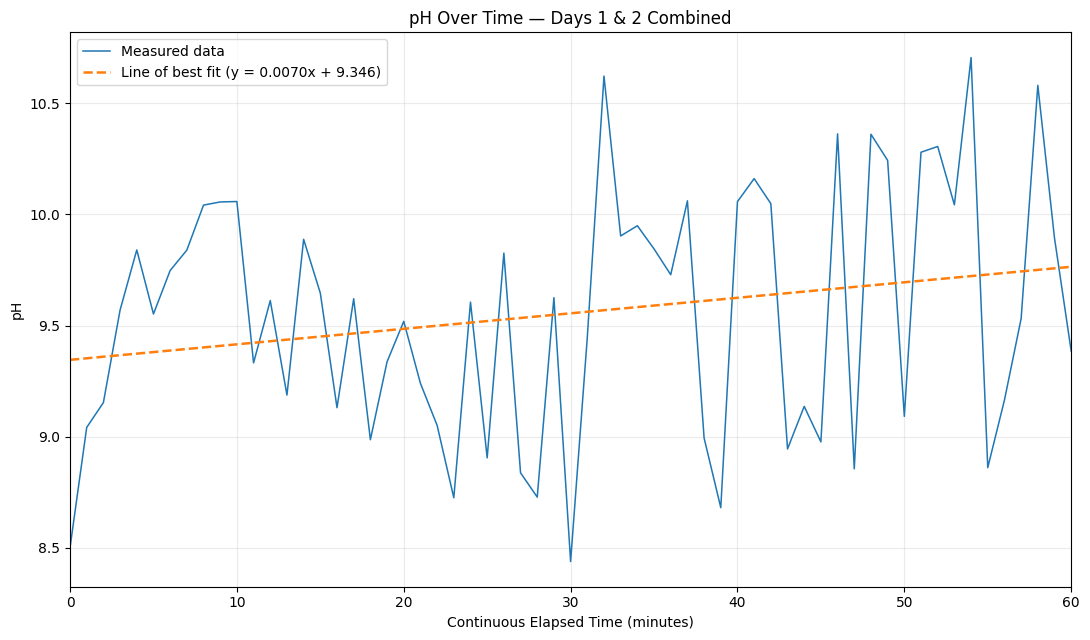
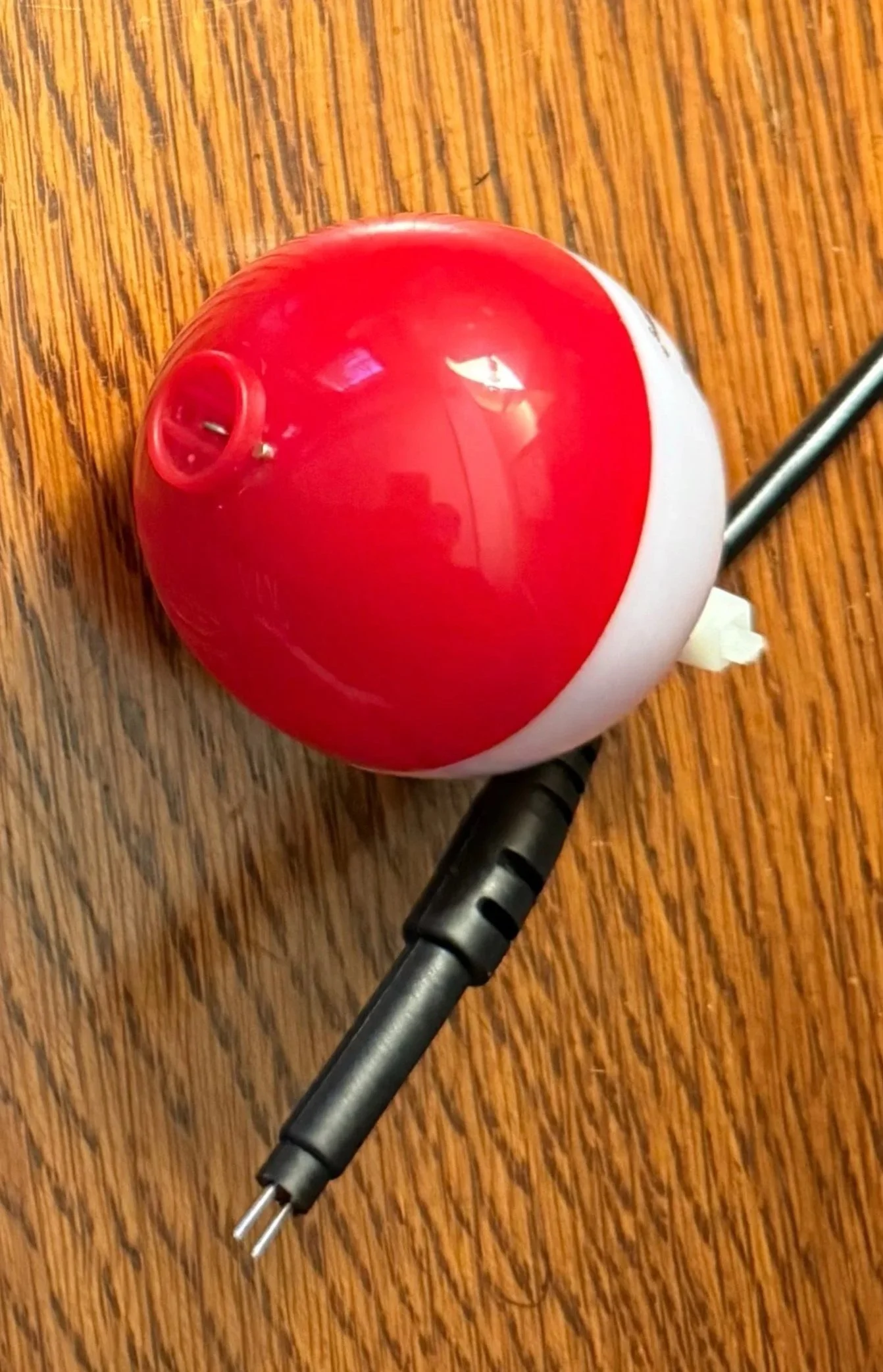
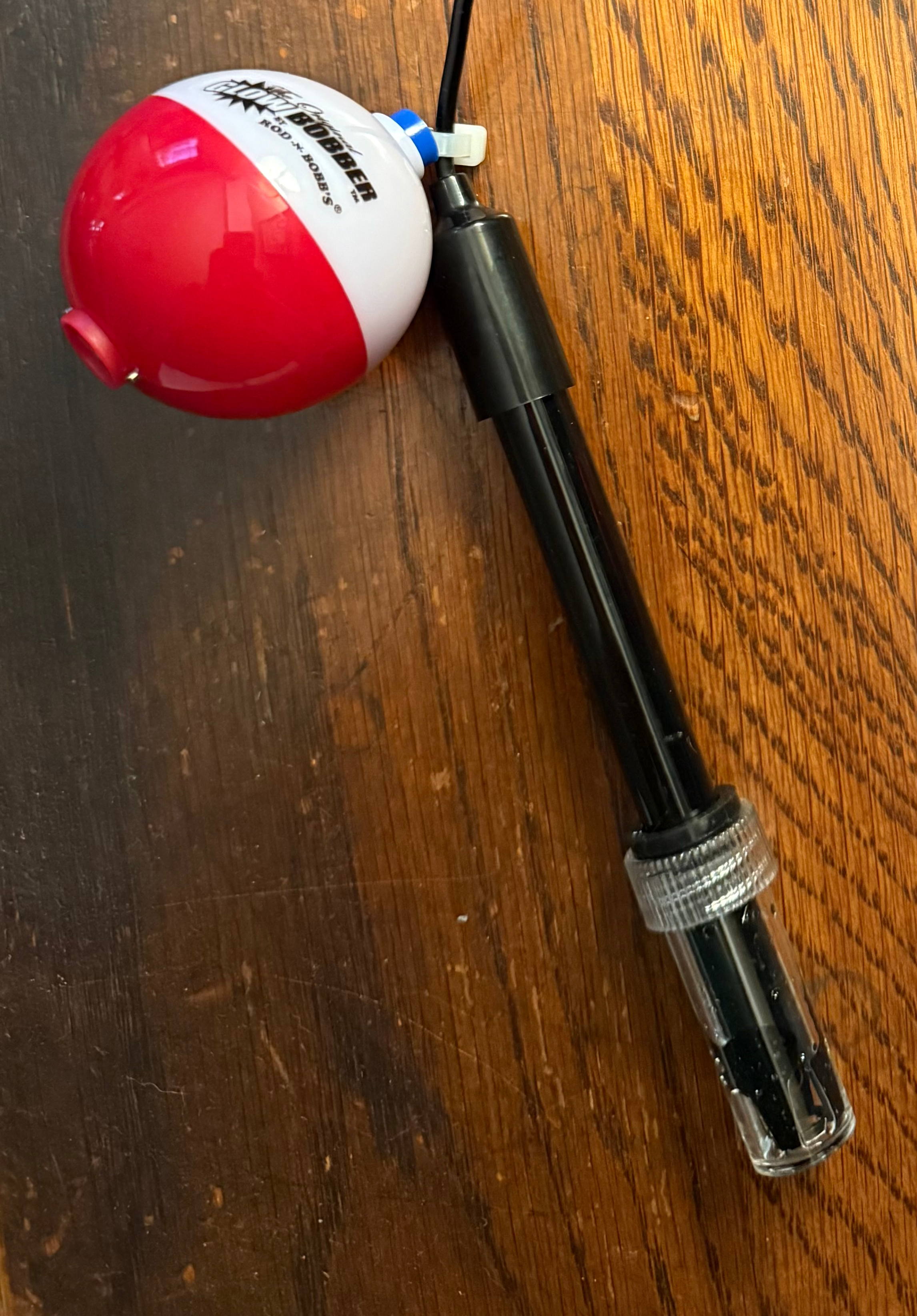
pH is a measurement of measures how acidic or basic a given sample of water is on a scale from 0 to 14. The scale: 7.0 is neutral (ideal), 7.1-14 is basic (basic water can disrupt natural stomach acid, and can cause dangerous mineral imbalances within living organisms), 0-6.9 is acidic (acidic water is highly corrosive and harmful for aquatic life). Most fish and aquatic organisms prefer a neutral range between 6.5 and 9; extreme shifts stress or kill aquatic life and increase the toxicity of heavy metals. Moreover, The U.S. Environmental Protection Agency (EPA) recommends a drinking water pH between 6.5 and 8.5.
Quick Links